EuroLeague Travel Fatigue Betting: How Schedule Demands Create Value
 Available in US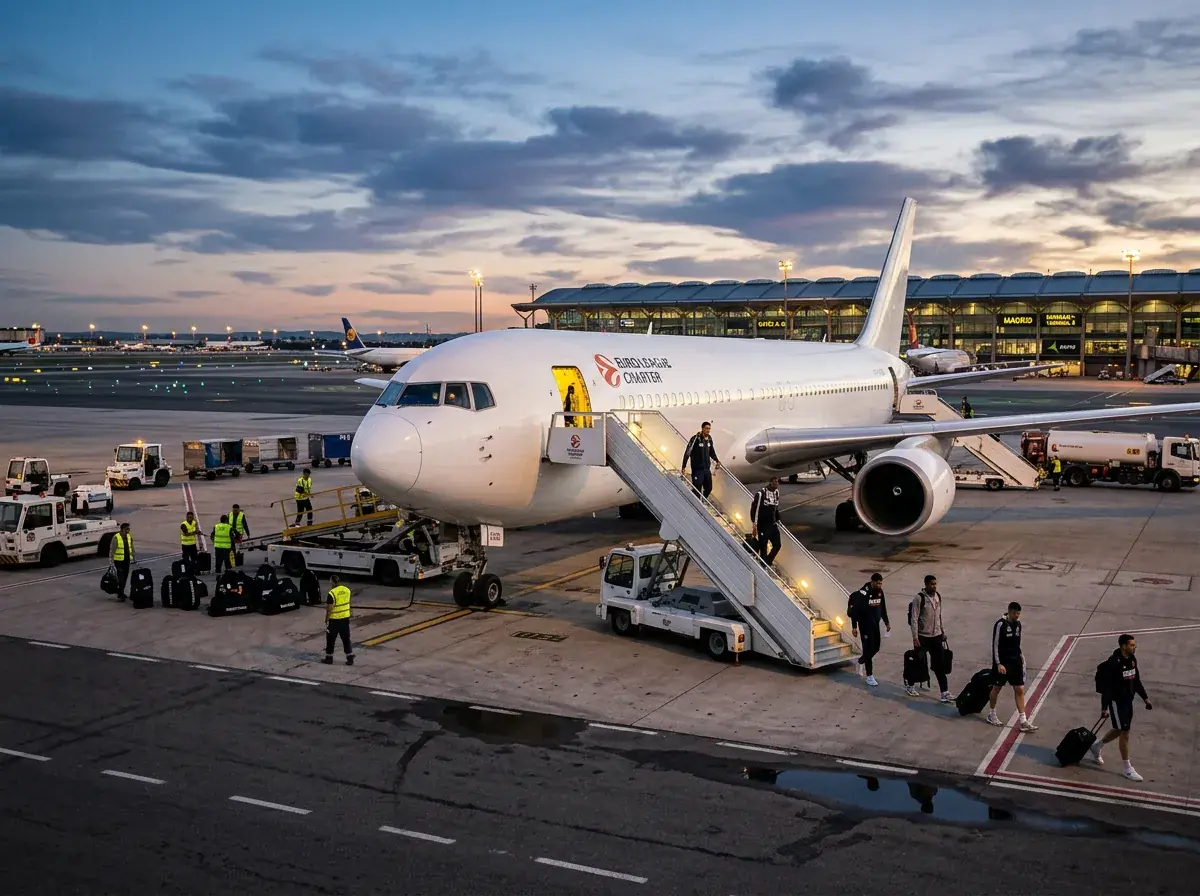
The BettingExpert editorial team put it perfectly: “A club returning from Turkey to Spain may be undervalued at that point.” They were describing a specific phenomenon I have exploited for years – the measurable impact of European basketball’s gruelling travel demands on team performance. Unlike American sports where travel rarely exceeds a few time zones, EuroLeague clubs routinely cross the continent within 48 hours, creating fatigue patterns that betting markets consistently underprice.
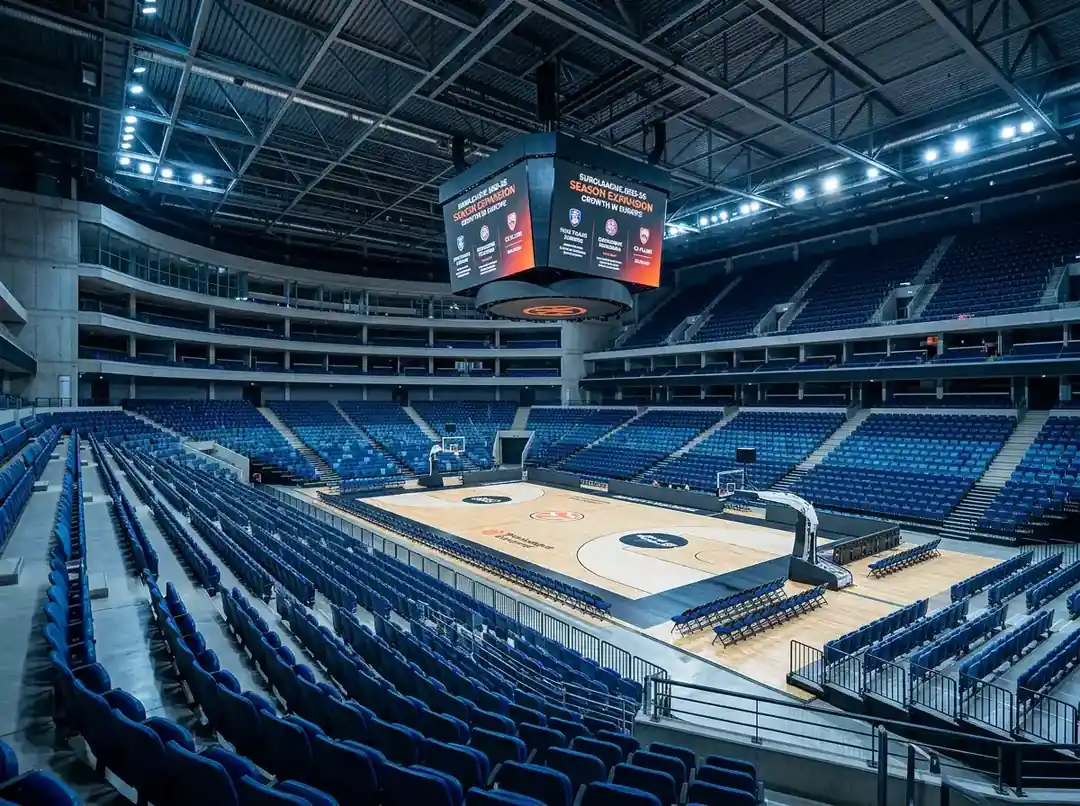
The 2025-26 expansion to 20 teams and 38 regular season games per club intensifies these demands considerably. More games mean more travel, and the addition of Dubai Basketball introduces genuine intercontinental logistics that no EuroLeague team has previously navigated. For bettors willing to track schedules and understand fatigue accumulation, this complexity creates opportunity.
EuroLeague Travel Demands Explained
The geographic spread of EuroLeague defies casual comprehension. Tel Aviv to Belgrade spans over 2,000 kilometres. Istanbul to Monaco requires crossing multiple time zones. Madrid to Kaunas involves navigating entirely different climate zones. These distances might seem manageable on a map, but compound them across 38 games plus domestic league obligations, and the physical toll becomes significant.
Charter flights have become standard for top clubs, eliminating commercial aviation hassles but not the fundamental impact of travel on human bodies. Even in comfortable conditions, multiple hours in aircraft cabins affect hydration, sleep quality, and muscular recovery. Teams arriving the night before games face different challenges than those arriving two days early – a distinction that schedule analysis can reveal.
Dubai Basketball’s addition creates unprecedented travel scenarios. European teams visiting Dubai face 5+ hour flights with meaningful time zone shifts. Dubai travelling to Western Europe encounters similar demands in reverse. The adjustment period for these journeys exceeds anything currently in EuroLeague scheduling, creating a natural experiment that betting markets will need time to price accurately.
Return journeys often matter more than outbound trips. A team flying east to Tel Aviv might handle the outbound leg reasonably but struggle badly on the return when accumulated fatigue combines with westward time zone adjustment. Tracking not just where teams have been but how long they have been travelling reveals patterns that simple rest-day calculations miss.
Identifying Fatigue-Affected Matches
Schedule density creates the clearest fatigue signals. A team playing Thursday in EuroLeague, Sunday in domestic competition, and Wednesday in EuroLeague again accumulates stress that cannot fully recover regardless of travel distances involved. The third game in such sequences consistently shows performance degradation that betting markets underestimate.
Cross-competition scheduling reveals hidden demands. EuroLeague clubs simultaneously compete in domestic leagues, national cups, and sometimes EuroCup if they drop from EuroLeague qualification. Tracking all competition commitments – not just EuroLeague fixtures – exposes fatigue situations that single-competition analysis misses.
Late-night finishes compound next-game fatigue. A team whose Tuesday game in Athens tips off at 9pm local time and runs to overtime finishes after midnight, then faces early Wednesday travel and Thursday recovery before Friday’s next fixture. The specific timing of games matters as much as the games themselves.
Weather disruptions occasionally extend travel in unpredictable ways. Winter storms across Northern Europe can delay flights by hours or force routing changes. Teams arriving at 3am instead of 10pm the night before a game face dramatically different preparation conditions. Monitoring weather along common travel routes helps identify games where logistics may have broken down.
Betting Angles on Travel-Impacted Teams
Fading the traveller works best in the first quarter. Fatigue shows most clearly in early-game execution before adrenaline and crowd energy compensate. First-quarter unders on road teams completing demanding travel sequences hit at elevated rates because tired legs and foggy minds produce poor shot selection and defensive breakdowns.
Home teams facing exhausted visitors present different opportunities. Rather than simply backing the home favourite, consider whether the spread accurately reflects the visitor’s diminished capacity. A line set as if both teams were at full strength undervalues home advantage when the road team arrives compromised.
Totals bets benefit from travel analysis in predictable directions. Tired teams typically shoot poorly rather than defend poorly – fatigue affects offensive execution before it undermines defensive effort. Games featuring one fatigued team often trend under because that team’s offensive production drops while their defensive performance remains acceptable.
Second-half performance patterns shift with fatigue. Fresh teams often finish strong as opponents tire; fatigued teams often fade when their early-game adrenaline burns off. If your pre-game analysis suggests one team enters significantly more tired than the other, second-half spread bets offer value that full-game lines cannot capture.
Back-to-Back Games and Rest Advantages
True back-to-backs are rare in EuroLeague scheduling, but effective back-to-backs – games within 48-72 hours across competitions – occur regularly. Tracking when teams face these compressed schedules reveals systematic performance patterns.
Rest advantage differentials sometimes exceed three days when schedule quirks align. A team with a full week between games facing one playing its third game in six days holds an advantage that extends beyond normal home court or talent considerations. Quantifying these rest differentials lets you adjust expected margins accordingly.
Practice time between games matters for teams integrating new players or recovering from injuries. A team with five days between games can hold multiple full practices; one with two days between games runs a single light session. The strategic preparation advantage compounds the physical recovery advantage in ways that casual observation misses.
Coaching styles interact with schedule demands differently. Coaches who rely on deep rotations manage fatigue better than those who ride seven-player rotations hard. Knowing which teams can absorb schedule stress and which cannot helps identify when fatigue will manifest in performance versus when it will be managed successfully.
Frequently Asked Questions
How many time zones do EuroLeague teams typically cross during the season?
Most EuroLeague travel remains within 2-3 time zones, though Eastern Mediterranean to Western European trips can span 4+ hours of time difference. The 2025-26 Dubai addition introduces 3-4 time zone shifts for Gulf travel that represent new territory for European basketball scheduling.
Which travel scenarios create the best betting opportunities?
Third games in seven-day spans following long-distance travel create the clearest fatigue signals. Teams returning from Eastern Mediterranean or Turkish fixtures to face domestic competition, then travelling again for EuroLeague, show consistent performance degradation that betting markets underprice.
Factoring Travel Into Your Betting
Travel analysis should function as a filter that identifies games warranting deeper examination rather than a standalone betting system. When schedule review reveals a significant fatigue mismatch, you then apply normal handicapping to determine whether the market has appropriately priced that mismatch.
Build a schedule tracking system that monitors all competition commitments for each EuroLeague club. Spreadsheets work fine – you need game dates, locations, and tip-off times across EuroLeague, domestic leagues, and cup competitions. The investment of an hour each week updating schedules pays dividends throughout the season.
Combine travel factors with other edges for compounding effect. A team travelling poorly facing a strong home venue after a demanding domestic fixture presents multiple stacking factors that reinforce rather than contradict each other. These compound situations offer the highest-confidence betting opportunities.
The 2025-26 expansion makes travel analysis more valuable than ever. With 38 games plus domestic obligations, schedule congestion will produce more fatigue situations than previous seasons. Early identification of problematic schedule sequences gives you months of actionable betting opportunities before the market fully adapts to the new competitive landscape.
Prepared by the Euroleague Basketball Betting editorial staff.