Social Media and Final Four: EuroLeague’s Digital Reach and Market Implications
 Available in US
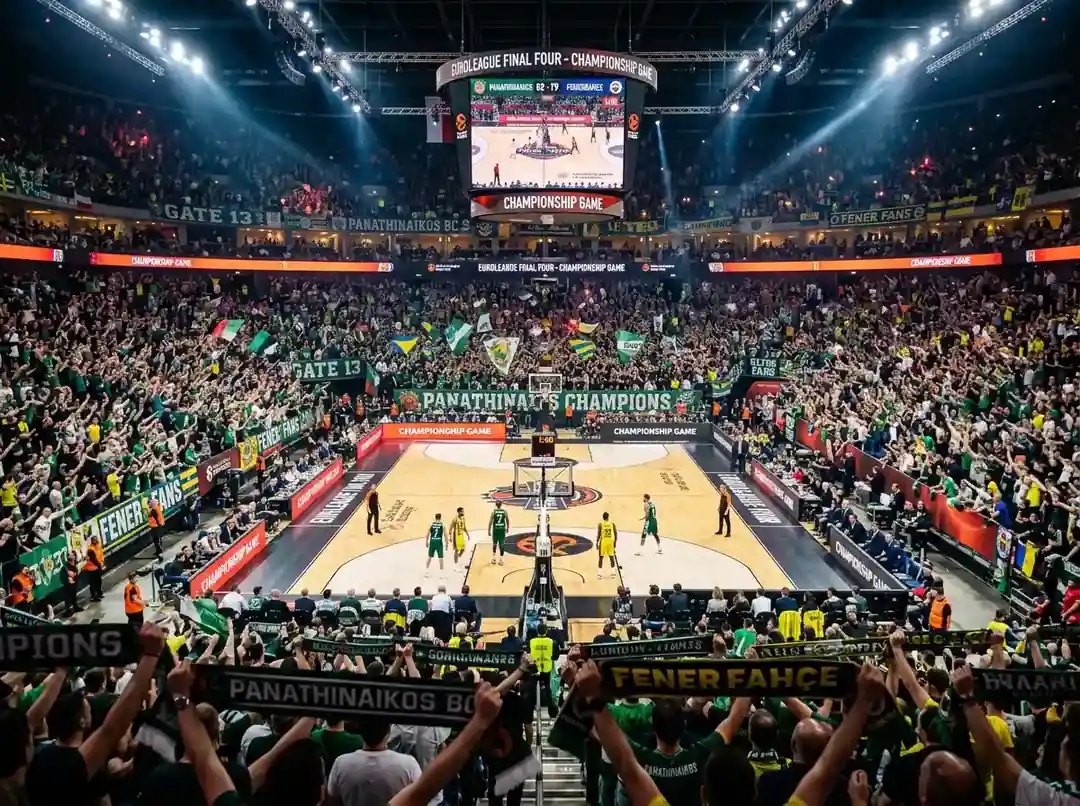
The Final Four 2025 social media numbers demanded attention: 40.56 million reach representing 81% year-over-year growth. The championship website recorded 3.4 million page views with 567,000 unique users – figures that translate directly to betting market dynamics. When millions engage with content simultaneously, their collective attention drives betting volume that affects lines, liquidity, and opportunity. Understanding digital engagement patterns helps predict market behaviour during EuroLeague’s most scrutinised weekend.
Social media has transformed Final Four from a basketball event into a content phenomenon. This digital amplification creates market effects that extend beyond simple viewership – engagement patterns, sentiment shifts, and viral moments all influence betting behaviour in ways that traditional analysis might miss.
Final Four 2025 Social Media Records
The 40.56 million social reach marked EuroLeague’s highest-ever digital engagement for a single event. This 81% growth year-over-year demonstrated explosive audience expansion that traditional media metrics cannot fully capture. Basketball fans increasingly experience events through social feeds alongside or instead of broadcast viewing.
The 3.4 million website page views – representing 50% growth – indicate active information-seeking beyond passive consumption. These visitors checked scores, read analysis, and explored content in ways that suggest genuine interest rather than algorithmic exposure. Active engagement correlates with betting propensity.
Over 567,000 unique users represents substantial individual reach – 20% growth over the prior year. These are distinct people choosing to engage with EuroLeague Final Four content, each representing a potential bettor contributing to market volume during championship weekend.
Platform distribution matters for understanding engagement type. Twitter/X drives real-time reaction; Instagram showcases visual content; YouTube hosts extended analysis. Different platforms attract different demographics and engagement styles that translate to different betting behaviours.
Social Engagement and Betting Volume
Correlation between social buzz and betting volume appears strongest around high-profile games. As content spreads through social networks, peripheral fans who might not normally bet become aware of betting opportunities. This casual volume adds liquidity but also introduces less-informed money into markets.
The total television audience reaching 1.126 billion for the 2023-24 season – growing 27% year-over-year – provides context for how social amplification extends traditional reach. Social content captures viewers who missed broadcasts, extends engagement beyond live windows, and keeps events culturally relevant between tip-offs.
Viral moments within games create immediate betting impacts. A spectacular dunk, a controversial call, or a dramatic performance spike social engagement and corresponding betting activity. Markets adjust to this volume, sometimes overshooting in response to emotional rather than analytical betting.
Post-event social engagement affects subsequent market perception. Teams that dominate social conversation after victories may be overvalued in future markets; those that fade from discussion despite strong performance may be undervalued. Social presence does not equal performance, but it does influence public perception.
Social Sentiment as Market Indicator
Aggregate social sentiment – whether discussions skew positive or negative toward specific teams – provides soft information about public perception. While sentiment does not directly predict outcomes, it may predict where public betting money will flow, affecting line movement and available value.
Sentiment analysis tools can systematically track social discussion, quantifying the tone of conversation around teams, players, or matchups. These metrics help identify when public perception diverges from analytical assessment, potentially signalling contrarian opportunities.
Fan community size and engagement intensity vary significantly across EuroLeague clubs. Serbian and Greek clubs maintain particularly passionate social followings that translate to partisan betting activity. Understanding which teams command the most engaged social bases helps predict where emotional money will concentrate.
Real-time sentiment shifts during games may precede line movements. Social reaction to injuries, tactical changes, or momentum swings sometimes surfaces faster than formal news channels report. Monitoring social feeds during live betting sessions can provide early warning of information that will soon affect markets.
EuroLeague’s Growing Digital Footprint
Year-over-year growth across all digital metrics suggests sustainable expansion rather than one-off spikes. EuroLeague has committed to digital engagement as core strategy, investing in content creation and platform presence that expands audience reach systematically.
Regional engagement patterns reveal market development opportunities. Strong digital growth in specific markets may precede expanded betting attention as bookmakers follow audience interest. Tracking where EuroLeague’s digital presence is growing fastest helps anticipate where betting market depth might expand.
Player-driven content increasingly supplements official channels. EuroLeague stars with substantial personal followings create parallel content streams that reach audiences beyond official EuroLeague touch. These personal brands affect perception of the teams they play for.
Digital engagement metrics increasingly influence commercial valuations and broadcast rights. As EuroLeague’s digital footprint grows, commercial investment follows – improving competition quality, raising stakes, and deepening the betting markets that commercial attention supports.
Frequently Asked Questions
Does social media engagement predict EuroLeague betting volume?
Strong correlation exists between social engagement spikes and betting volume increases, particularly during Final Four. High-profile games that dominate social conversation attract casual bettors who increase market liquidity. However, this additional volume often represents less-informed money rather than sharp action.
Which EuroLeague team has the largest social media following?
Serbian and Greek clubs maintain the most passionate social followings relative to market size, with Partizan, Crvena Zvezda, Olympiacos, and Panathinaikos commanding particularly engaged communities. Spanish giants Real Madrid and Barcelona hold large absolute followings. Engagement intensity matters as much as raw follower counts for predicting betting behaviour.
Social Data in Your Betting Research
Incorporate social awareness into your betting preparation without letting it dominate analytical fundamentals. Social engagement tells you where public attention – and public money – will concentrate. This information helps predict market dynamics without replacing the handicapping that identifies actual value.
Monitor social sentiment for contrarian signals. When social consensus overwhelmingly favours one outcome, the corresponding betting line may have moved beyond fair value. Public enthusiasm creates opportunity for those willing to bet against the crowd.
Use social intelligence to time bet placement. Placing bets before social-driven volume arrives captures lines that will move once casual bettors pile on. Understanding when social buzz peaks helps optimise placement timing.
The 40.56 million Final Four social reach demonstrates EuroLeague’s growing cultural significance. This attention drives commercial investment, competitive quality, and market depth that benefits serious bettors. Understanding how digital engagement shapes the betting environment positions you to navigate markets influenced by forces that extend far beyond the basketball court.
Prepared by the Euroleague Basketball Betting editorial staff.